From Rana Plaza to today: Why Canada Must Act on Corporate Accountability

Co-authors: Nirvana Mujtaba (Oxfam Canada) & Aidan Gilchrist-Blackwood (Canadian Network For Corporate Accountability)

Textile workers working inside a garment factory in Savar, Bangladesh
Textile workers are working inside a garment factory in Savar, Bangladesh. Photo: Fabeha Monir/Oxfam

One of the deadliest industrial disasters of the 21st century unfolded in 2013, when the Rana Plaza building in Bangladesh collapsed. In a matter of moments, over 1,100 garment workers, most of them young women, lost their lives, and more than 2,500 others were injured. The world watched in horror as images of crushed concrete, trapped bodies, and desperate rescue efforts filled our screens. However, this was not a sudden or unforeseeable tragedy. Cracks in the building had been reported the day before. Workers had voiced their fears. Still, they were told to return to work and were trapped inside the building as it collapsed.

The collapse of Rana Plaza exposed a devastating truth: the global fashion industry, built on the labour of women, was failing them at every level. It revealed a system where fast fashion was prioritized over safe working conditions, where accountability was diffused across borders and where corporations, many based in wealthy countries like Canada, profited from conditions they did little to monitor or improve. Among the revelations was that a Canadian company was sourcing clothing from Rana Plaza, yet lacked sufficient oversight to ensure even the most basic standards of workplace health and safety. Affordable clothing was being subsidized by a devastating human cost.

Nilufa Yesmin and Ajirun Begum, Rana Plaza Survivors
Nilufa Yesmin (35) and Ajirun Begum (47) both are Rana Plaza Survivors. They are suffering from continuous health issues since the incident. None of them were able to do any work despite getting some occasional works from local tailors. Savar, Bangladesh. Photo: Fabeha Monir/Oxfam

Since then, international pressure and tireless worker-led organizing have driven some improvements in factory safety, reducing the risk of catastrophic failures in parts of the industry. Yet, health and safety in Bangladesh’s factories remain deeply concerning, as shown by the April 4 fire at a gas lighter factory near Dhaka that left five workers dead. Moreover, safer buildings have not meant fairer working conditions. Workers still face poverty wages, excessive work hours, and intense pressure to meet production targets in a non-unionized environment. Gender-based violence and harassment remain widespread, particularly for the women who make our clothes. The fashion industry may be less visibly dangerous than it was in 2013, but it is far from just.

This pattern is not limited to fashion. Canadian companies continue to operate in ways that harm vulnerable communities both at home and abroad. In the mining sector, Canadian companies have been repeatedly linked to human and labour rights abuses, environmental destruction and the contamination of local ecosystems. Communities have suffered displacement, pollution, and long-term health impacts. These harms continue in part because the rules for companies are weak and accountability is limited.

The harm also extends to global arms trade. Canadian companies export weapons and weapons components that are used in war and conflict zones likely against civilians and in violation of international law, contributing to violence and human rights abuses. These transfers often happen through indirect routes, allowing Canadian companies to avoid scrutiny. Without strong laws, Canada risks being complicit in harm.

Canada’s response: more rhetoric than reform

Canada falls far short in meaningfully holding Canadian corporations accountable. Measures such as modern slavery reporting legislation and voluntary corporate social responsibility frameworks have been framed as progress. Yet in practice, they rely heavily on self-reporting, lack enforcement mechanisms, and impose few real consequences for non-compliance. Companies are required to disclose whether or not they have assessed the risks of forced labour in their supply chains – but are not required to actually investigate those risks in the first place, let alone to prevent or remedy harms.

Workers at a garment factory in Phnom Penh, Cambodia
Workers at a garment factory in Phnom Penh, Cambodia. Photo: Caroline Leal/Oxfam

At the same time, oversight of Canadian businesses operating abroad remains weak. The Canadian government “expects” – but does nothing to actually require – Canadian companies respect human rights in their operations abroad.

Mechanisms intended to investigate corporate abuse, including the Canadian Ombudsperson for Responsible Enterprise (CORE) office, have been left to flounder. The government has left the position of CORE vacant for close to a year, meaning the office cannot process complaints, and the office lacks long-promised independence and investigatory teeth. Survivors of labour exploitation, environmental harm, or corporate-linked violence face significant barriers to seeking justice, particularly when abuses occur outside of Canada’s borders. The result is a system where harm is sometimes acknowledged, but rarely addressed in a way that shifts corporate behaviour.

This gap between commitment and action is not incidental – it reflects a broader policy approach that prioritizes narrowly-defined economic interests and voluntary compliance over binding regulation. As long as respect for human rights remains at the discretion of Canadian companies, they can continue to benefit from global systems of exploitation with limited accountability.

What real corporate accountability looks like

On the 11th anniversary of the Rana Plaza disaster, Canada’s Minister of Labour affirmed that “Canada’s supply chains are far-reaching” and that Canada has “an obligation to every single worker across them”. If Canada is serious about living up to those obligations it must take decisive action to prevent the harms that continue to be linked to Canadian corporations – such as labour rights violations, extractive industry exploitation, and weapons exports which fuel growing human rights abuse – it must move beyond voluntary and reporting-only approaches and adopt a mandatory human rights due diligence law. This means requiring companies to actively identify, prevent, and address human rights and environmental risks throughout their global operations and supply chains – not simply reporting on whether or not they have bothered to look.

To be effective, such legislation must include strong enforcement mechanisms. Companies that fail to meet their obligations should face meaningful penalties, including fines and potential civil liability. Furthermore, affected communities and workers must have clear pathways to seek remedy in Canadian courts, regardless of where the harm occurred. Without access to justice, accountability remains incomplete.

The government of Canada should:

Adopt human rights and environmental due diligence legislation. Canadian civil society has developed a model law which the government could table at any time.

Appoint a new Canadian Ombudsperson for Responsible Enterprise, and empower the office with real independence and robust investigatory powers.

More than a decade after the Rana Plaza tragedy and amid ongoing harm by various Canadian businesses, the question is not whether we have learned, but whether Canada will finally act.

The lives lost should have marked a turning point, a moment to say clearly that no job, no product, no profit is worth a human life. And yet, from factories to mines to conflict zones, similar patterns of exploitation persist – often hidden and too often ignored.

Canada has the power to do better. It has a duty to do better. Without bold action – as called for by directly-impacted people and by Canadians standing in solidarity from coast to coast – Canada will continue to be complicit in serious human rights violations, and risks contributing to future tragedies like Rana Plaza.

Four Years of Action: How Far Have Canadian Brands Come?

Twelve years ago, the world watched in horror as the Rana Plaza collapsed in Bangladesh. In just minutes, over 1,100 garment workers, most of them young women, were killed and more than 2500 were injured. It was one of the deadliest industrial disasters in history and exposed a devastating truth – the fashion industry built on the backs of women was failing them.

For many in Canada, the Rana Plaza tragedy was a wake-up call. It shattered the illusion that fast fashion came without a cost. The tragedy sparked grief, outrage and a global reckoning – a call for transparency, accountability and basic human rights in how our clothes are made.

Yet, over a decade later, the women who make our clothes – in Bangladesh, Cambodia and across the Global South – are still paid poverty wages, work long hours in difficult and sometimes dangerous conditions. While progress has been made on health and safety, especially in Bangladesh, a safe workplace requires much more. It means that the women who make our clothes earn enough to feed their children, send them to school and access healthcare.

The Rana Plaza tragedy didn’t just bring down a building, it exposed cracks across an entire industry. It sparked a global movement demanding that clothes should not be made in exploitative conditions, that women should be able to live with dignity and that fashion should never come at the cost of human rights.

And that’s where the What She Makes campaign comes in.

Over the past four years, the What She Makes campaign has grown into a powerful collective force – driven by relentless advocacy, strategic pressure and the unwavering support of thousands of people across Canada. Together, we wrote letters, mobilized actions, launched petitions and called on Canadian fashion brands to step up. Some brands have taken meaningful steps toward transparency and fairness. Some chose silence over dialogue, perhaps because accountability is uncomfortable. And others continue to offer only surface level solutions, spurred more by public scrutiny than a commitment to lasting change. But the past four years have shown us that when we come together and refuse to look away, we can push even the most powerful industries to do better.

So, what has changed?

Aritzia

Aritzia has started to map out what garment workers in its supply chain are paid – an important first step in understanding wage gaps. They’ve acknowledged that fair wages and decent working conditions are human rights and they’ve laid out policies that sound promising. However, there’s still no credible commitment to ensuring workers, the backbone of its profits, are paid enough to live with dignity. While Aritzia talks about economic security and collaboration, there’s little transparency on what that entails or how this will lead to tangible change. Concrete action, measurable milestones and transparency are key to ensure our clothes aren’t woven in poverty.

Herschel Supply Co.

This private Canadian fashion brand, continues to do the bare minimum in terms of commitments and transparency. While they report on following international labour standards and conducting supply chain due diligence there is little public evidence of what that actually looks like. Herschel has a responsibility to do better.

Joe Fresh (Loblaw)

More than a decade after the Rana Plaza collapse, where Joe Fresh was producing clothing, the brand still has a long way to go. It was the only Canadian company to sign the International Accord for health and safety, largely due to public pressure. Despite its massive profits, Joe Fresh has shown limited action. The company lacks a commitment to paying a living wage and supporting its suppliers to make that a reality. Joe Fresh must go beyond doing the bare minimum and demonstrate leadership in upholding workers’ rights and ensuring living wages.

lululemon

Lululemon became a member of the Fair Labor Association (FLA) and started its accreditation process in 2020, which is worth celebrating.  lululemon has publicly recognized that the women who make our clothes deserve fair wages. This shift is a result of persistent advocacy, collective action and the brands’ intention to do better. The company also demonstrates a supportive approach toward its suppliers and acts as an enabler to foster better working conditions. Lululemon has taken steps toward collecting wage data, which is an important step. While their efforts signal progress, the pathway to paying a living wage remains incomplete due to a lack of measurable milestones.

Roots

Roots is starting to take some encouraging steps towards greater accountability. After four years of advocacy and growing pressure from our What She Makes community, Roots has taken important initial steps towards transparency. The brand has made its supplier code of conduct public, revealed where its clothes are made and joined the Fair Labor Association (FLA) accreditation process. These actions signal willingness to move in the right direction. Knowing where our clothes are made is just the beginning. Roots has yet to commit to paying a living wage – a fundamental human right for the women who make our clothes. To truly reflect the Canadian values, Roots must ensure that the people behind the label are paid enough to live with dignity.

What should brands do?

Brands have an opportunity to move beyond surface-level commitments, take meaningful steps to ensure the women behind their labels are not trapped in a cycle of poverty. This starts with making a credible commitment to paying a living wage, mapping wages in their supply chains, setting clear milestones to close the wage gap and being transparent at every step. To truly reflect the values of people across Canada, fashion brands must prioritize people over profits and ensure human rights are protected.

Canada’s New Modern Slavery Reporting Law

We took a closer look at Canada’s modern slavery reporting law, the Forced and Child Labour in Supply Chains Act, that came into effect in January. What does it mean for global workers’ rights, and can it achieve what lawmakers say it does – more transparency and an end to forced and child labour in supply chains? Let’s find out.

Aritzia 

Disclosure of Policies and Due Diligence Processes: Reported having comprehensive policies and due diligence processes. Aritzia’s Supplier Code of Conduct remains publicly available, however, their Migrant Worker Policy, Child Labour & Young Worker Policy and Homeworker Policy are not publicly available.  

Transparency: Reports sourcing countries but does not disclose specific factory names, locations, or addresses. 

Supplier Monitoring: Conducts regular audits, assessments, and training programs. However, the effectiveness of social audits often falls short industry-wide due to poor-quality worker interviews and lack of genuine worker engagement. 

Risk Assessment and Remediation Strategies: Acknowledges the risks of modern slavery and outlines steps for identification, prevention, and mitigation. There is no mandatory requirement for concrete remediation actions under Canada’s new law. 

Prevalence of Forced Labour and Remediation Actions: Reported not being aware of or identifying any instances of forced labour or child labour during the reporting period. 

Herschel 

Disclosure of Policies and Due Diligence Processes: Reported having supplier code of conduct and due diligence processes but did not make these policies publicly available. 

Transparency: Reports sourcing countries but does not disclose specific factory names, locations, or addresses. 

Supplier Monitoring: Conducts regular audits, assessments, and training programs. However, the effectiveness of social audits often falls short industry-wide due to poor-quality worker interviews and lack of genuine worker engagement. 

Risk Assessment and Remediation Strategies: Acknowledges the risks of modern slavery and outlines steps taken to prevent and reduce the risk of child and forced labour in its supply chains.  There is no mandatory requirement for concrete remediation actions under Canada’s new law. 

Prevalence of Forced Labour and Remediation Actions: Reported not being aware of or identifying any instances of forced labour or child labour during the reporting period. 

Joe Fresh (Loblaw) 

Disclosure of Policies and Due Diligence Processes: They reported having comprehensive policies and due diligence processes to address forced and child labour. Loblaw’s approach to human rights addresses the risk of modern slavery and is supported by its Colleague Code of Conduct, Supplier Code of Conduct and Loblaw’s Position on Human Rights. All of these policies are publicly available.  

Transparency: Discloses information about their Tier 1 suppliers, including factory names, locations, and addresses on their website. 

Supplier Monitoring: Conducts regular audits, assessments, and training programs. However, social audits are widely acknowledged to fall short industry-wide due to poor-quality worker interviews and a lack of genuine worker engagement. 

Risk Assessment and Remediation Strategies: Acknowledges the risks of forced labour and child labour. Loblaw identified five inherent Salient Risks – forced labour, child labour, discrimination, harassment and abuse, livelihoods and occupational health and safety through their Human Rights Due Diligence (HRDD).  Loblaw expanded their commitment to not knowingly source cotton or textile products using cotton produced in Uzbekistan, Turkmenistan and Xinjian Uyghur Autonomous Region (XUAR) of China due to widespread evidence of forced and child labour in their cotton harvests.  There is no mandatory requirement for concrete remediation actions under Canada’s new law. 

Prevalence of Forced Labour and Remediation Actions: Stated they “may receive reports of forced or child labour through our supply chain compliance and factory audits program” but did not disclose specific instances. 

lululemon 

Disclosure of Policies and Due Diligence Processes: Reported having comprehensive policies and due diligence processes. Lululemon’s policies and commitments include Global Code of Business Conduct and Ethics, Vendor Code of Ethics, Vendor Code of Ethics Compliance Benchmarks,  

Foreign Migrant Workers Standard. All of these policies are publicly available. 

Transparency: Discloses information about their suppliers, including factory names, locations, and addresses on their website

Supplier Monitoring: Conducts regular audits, assessments, and training programs. However, the effectiveness of social audits often falls short industry-wide due to poor-quality worker interviews and lack of genuine worker engagement. 

Risk Assessment and Remediation Strategies: Acknowledges the risks of modern slavery, including forced and child labour and outlines steps for identification, prevention, and mitigation. There is no mandatory requirement for concrete remediation actions under Canada’s new law. 

Prevalence of Forced Labour and Remediation Actions: Acknowledged finding two instances of forced labour in its supply chain and reported subsequent remediation actions. 

Roots 

Disclosure of Policies and Due Diligence Processes: Reported having comprehensive policies and due diligence processes. Roots only publicly disclose their Vendor Workplace Code of Conduct, Supplemental Expectations, Employee Code of Conduct while other policies such as the Responsible Purchasing Practices, Critical Issues Policy are not publicly available. 

Transparency: Discloses only the continents of their suppliers/third-party vendors. 

Supplier Monitoring: Conducts regular audits, assessments, and training programs. However, the effectiveness of social audits often falls short industry-wide due to poor-quality worker interviews and lack of genuine worker engagement. 

Risk Assessment and Remediation Strategies: Acknowledges the risks of modern slavery and outlines steps for identification, prevention, and mitigation. There is no mandatory requirement for concrete remediation actions under Canada’s new law. 

Prevalence of Forced Labour and Remediation Actions: Reported not being aware of or identifying any instances of forced labour or child labour during the reporting period. 

Our analysis reveals that while all five brands reported having policies and due diligence processes in place, the lack of public availability of many of these documents hinders external verification. Transparency varied, with Joe Fresh (Loblaw) and lululemon being more open about who their suppliers are. All brands reported regular supplier monitoring, but social audits are widely criticized for their limitations. Only lululemon acknowledged finding and remediating instances of forced labour. Overall, the findings highlight significant shortcomings in the legislation and the need for more robust, transparent, and enforceable measures to protect global workers’ rights. 

Why Canada needs stronger legislation 

While going through the legislative process, the Forced and Child Labour in Supply Chains Act was widely criticized for failing to address the deep-rooted human rights abuses and environmental impacts of Canadian companies operating abroad. Critics—including industry experts, civil society, and human rights activists—have condemned it as completely inadequate. We agree with them, and here’s why: 

Weak reporting requirements without mandated action: The Act merely requires companies to report on measures to identify forced and child labour in their supply chains. There is no mandate for concrete action or verification, allowing companies to obscure the true extent of their complicity. 

Lack of accountability: Companies are not obligated to confirm or deny the presence of forced labour and child labour within their supply chains. They retain the liberty to determine how much detail to disclose, rendering the reports potentially superficial and uninformative.   

Ignores comprehensive human rights: The legislation fails to include comprehensive human rights, including women’s rights and the right to a living wage. Human rights are recognized as indivisible and interdependent, without hierarchy, and cannot be upheld in isolation. A law addressing only forced labour and child labour will fail unless it addresses human rights violations comprehensively. 

Opaque Supply Chain: There is no mandatory reporting requirement to disclose detailed supply chain information, such as supplier names and addresses, product types, and the gender composition of the workforce. Opaque supply chains limit the ability of governments, civil society, workers, and rights holders to verify company claims and hold companies accountable.  

Inadequate Remediation Mechanisms: The legislation lacks robust remediation mechanisms, protections against re-victimization, and guarantees of non-recurrence. Victims of forced labour are left without effective means to seek justice and redress.  

Gender Blindness: The legislation lacks a gender lens and feminist approach. Women, particularly in the fashion industry, where they constitute the majority of the workforce, are disproportionately vulnerable to forced labour conditions. The Act’s failure to address this reality perpetuates gender inequality and exploitation. Canada should include gender-related protections and fulfill its commitment to upholding women’s human rights through laws, regulations, policies, and plans that address the unique challenges faced by women as rights holders. Legislation should require all Canadian companies to undertake gender-sensitive human rights due diligence. Additionally, legislation should require companies to adopt a proactive gender and non-discrimination policy, which is crucial to ensure that the companies’ policies and practices consider overlapping forms of structural discrimination through an intersectional lens. 

Economic Injustice: The Act does not address the right to a fair wage, perpetuating cycles of poverty and inequality. Workers remain trapped in exploitative working conditions and forced to work excessive overtime to cover their basic needs with no hope for economic improvement. 

Fails to meet minimum UN standards:  The legislation does not meet the basic standards set by the United Nations (UN), such as the UN Guiding Principles on Business and Human Rights (UNGPs). Governments should have stringent laws to protect people from human rights abuses by companies. However, Canada’s modern slavery reporting law falls short and lacks the necessary enforcement mechanisms and regulatory measures to hold businesses accountable.   

Canada’s modern slavery reporting law, in its current form, is a superficial measure that offers no protection to the vulnerable workers in the supply chain. Recent revelations of Canada falling short on promises to block imports produced by forced labour further underscores the urgent need for stronger legislative measures. 

To truly combat human rights abuses, Canada must introduce a robust corporate accountability law, such as the model law proposed by the Canadian Network on Corporate Accountability, The Corporate Respect for Human Rights and the Environment Abroad Act. Such legislation would require Canadian companies and companies importing goods into Canada to respect all human rights throughout their global supply chains, prioritize transparency and accountability with adequate enforcement mechanisms to hold corporations accountable, and provide access to remedies for those affected by human rights and environmental abuses.

The Labour Minister has promised to table new legislation by the end of the year. Will it be a step towards achieving these goals

From Tragedy to Triumph: Nilufa’s Journey and the Call for Justice

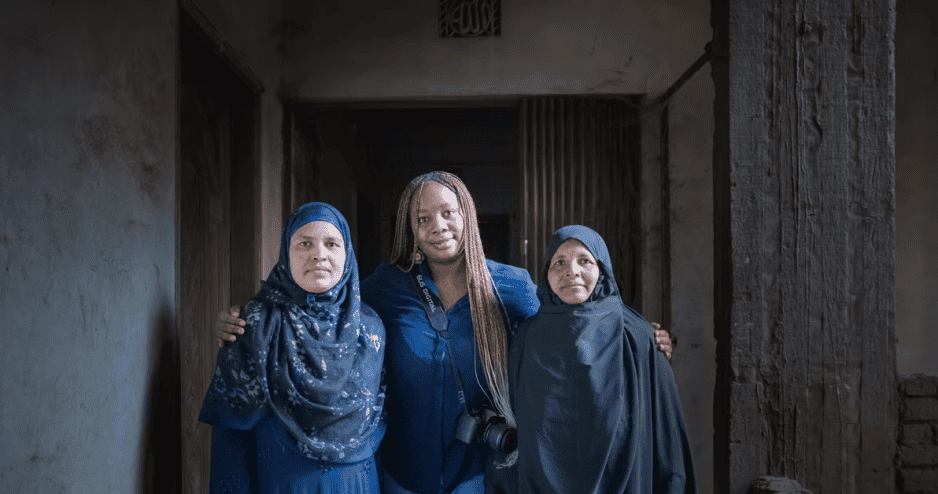
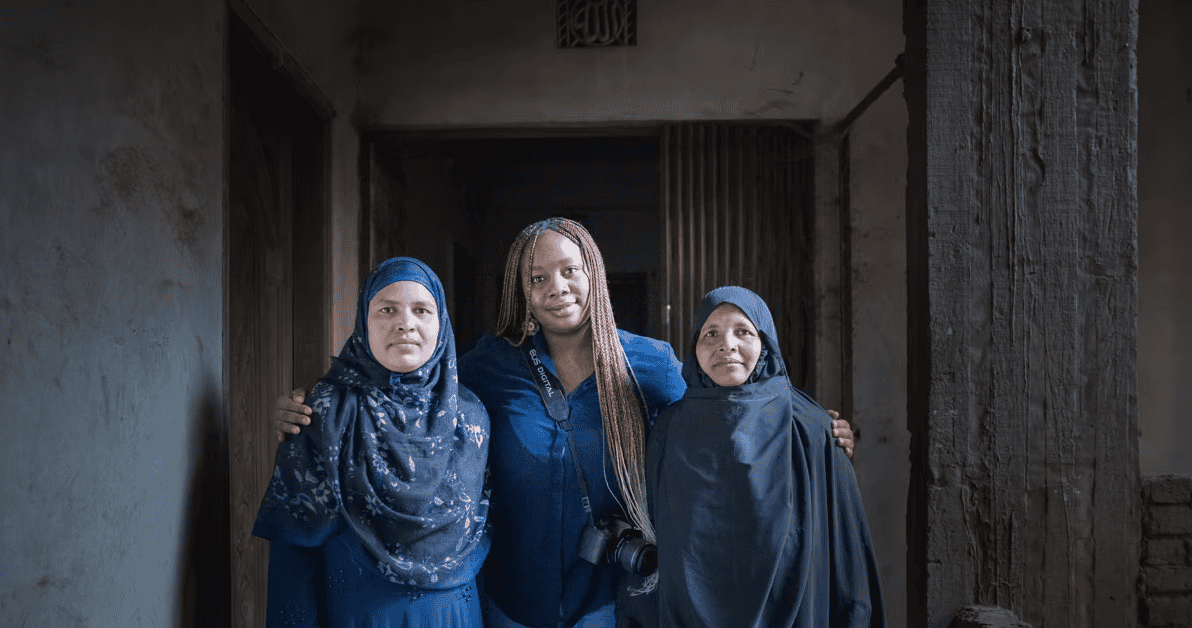
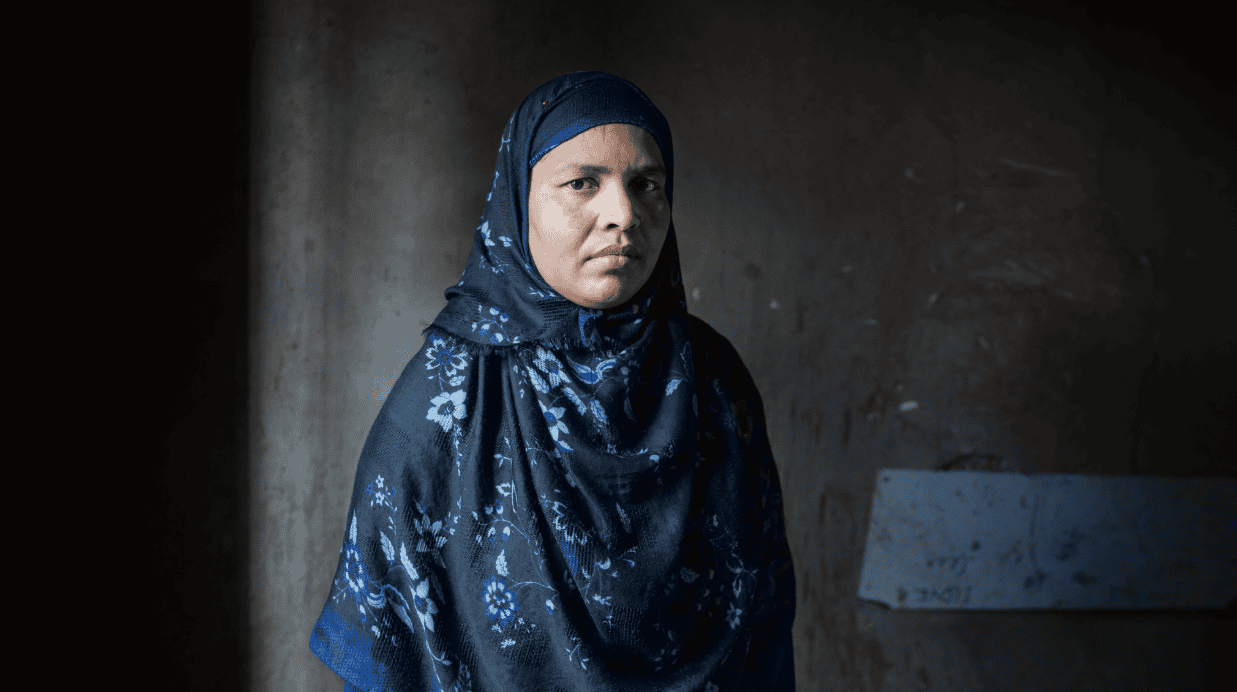
As we mark the 11th anniversary of the Rana Plaza disaster, Nilufa Yasmin’s story is a poignant reminder of the devastating human cost behind the clothes we wear. On that fateful day on April 24, 2013, the deadliest garment factory accident in history took place where an eight-story building housing five garment factories collapsed, claiming the lives of 1,135 garment workers. Nilufa’s life changed forever. “It’s hard for me to describe the day, I will not be able to sleep at night if I tell you,” she told me, and those words stuck with me. Trapped under the rubble and a metal beam, she suffered a fractured spinal cord, enduring not only physical pain but also the trauma of witnessing the collapse of a workplace that failed to prioritize the safety of its workers. The loss of her colleagues and friends and a way to provide for herself and her family still sticks with her a decade after the tragedy. I had the privilege and honor of meeting Nilufa last year in Dhaka. Her resilience in the face of adversity continues to inspire me every day.

“It’s hard for me to describe the day, I will not be able to sleep at night if I tell you,”

Nilufa
Photo Credit: Fabeha Monir | Oxfam

Nilufa’s testimony echoes the sentiments of thousands of garment workers in Bangladesh who were on the streets of Dhaka last fall, fighting for fair wages and safe working conditions. Their demands for living wages were met with increasing violence across Dhaka between October and December of last year. Reports emerged of merciless beatings targeting protesters and workers, as their peaceful demonstrations for a livable wage turned into violent clashes with authorities. Despite the risks, loss of life, and the brutality they faced, garment workers stood firm in their demands for dignity and fair compensation. The negotiations saw a slight increase in wages to now $155 a month from $100 a month, but this still falls far short of a decent standard of living given the growing cost of living. The revised minimum wage is only 54% of what workers should be paid to receive a living wage, leaving workers like Nilufa struggling to put food on the table, save any discretionary income, afford medication, or put their children through school.

Photo Credit: Fabeha Monir | Oxfam

Nilufa and other worker activists are calling on fashion brands sourcing from Bangladesh to do better, much better. While some global brands like H&M have committed to paying living wages, most continue to avoid their responsibility to ensure workers’ rights to living wages and safe working conditions. They need to do more than just pay lip service to voluntary corporate social responsibility guidelines; they need to take concrete actions to ensure that tragedies like Rana Plaza never happen again, and that workers are adequately compensated for their work. Garment workers have the right to a living wage, safe working conditions, and dignity in the workplace, just as we all do.

One thing Nilufa said really stuck with me: “Workers deserve to be paid fairly for their labor. They deserve respect and dignity. They deserve a life free from fear and exploitation.” It’s a simple yet powerful reminder that behind every piece of clothing lies the sweat and toil of the women who make our clothes, whose lives are too often overlooked in the pursuit of profit.

As we reflect on the 11th anniversary of Rana Plaza, let’s honor the memory of 1,134 workers who lost their lives by standing in solidarity with survivors like Nilufa. Let’s demand accountability from brands like Joe Fresh and lululemon; and the Canadian government that is yet to enact a mandatory human rights due diligence law. And let’s work together to build a future where no one has to sacrifice their lives for the clothes on our backs.

At Oxfam Canada, we are taking a stand and need your support to ensure poverty wages are not woven into the fabric of our clothes. Join us by signing the pledge to stand with the women that make our clothes and call on Canadian fashion brands to pay a living wage.

Nilufa’s journey may be marked by pain and struggle, but her spirit remains unbroken. She reminds us that even in the darkest of times, there is hope for a better tomorrow. Let’s make that hope a reality and stand with the women that make our clothes.